Our Commitment
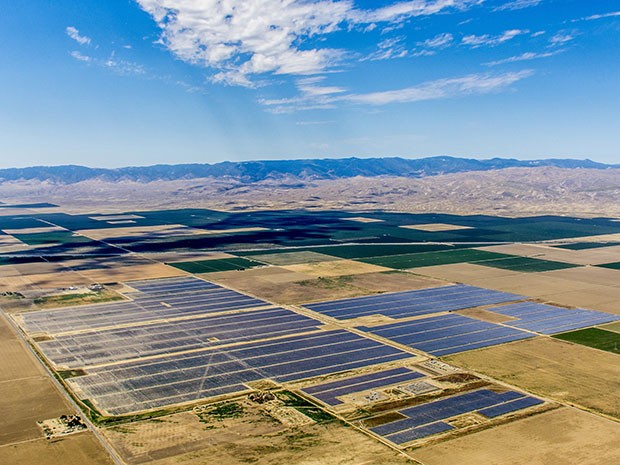
At Southern Company, environmental stewardship is more than a responsibility—it’s part of who we are. We are committed to protecting and conserving the natural resources that sustain our communities while delivering reliable and affordable energy. Guided by our Environmental Principles, we strive to balance energy needs with environmental care, ensuring a sustainable future for generations to come.
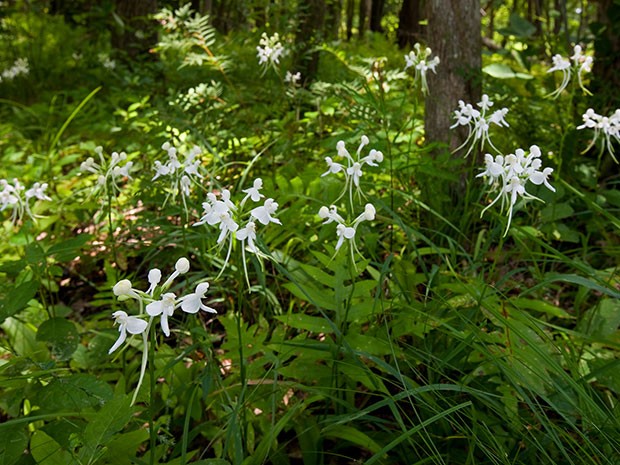
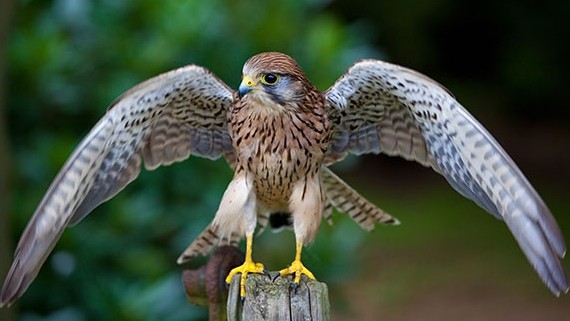
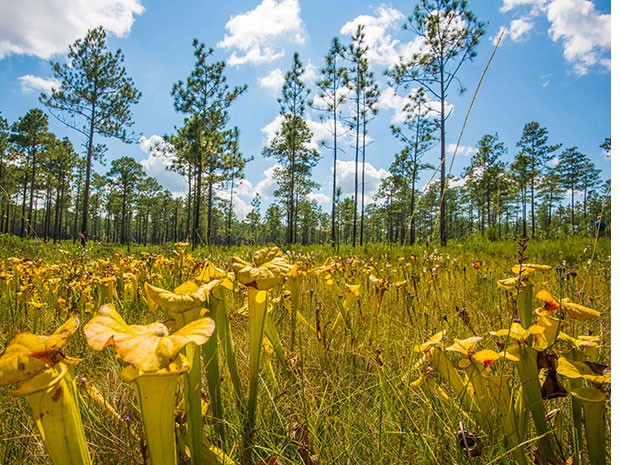
Southern Company's electric subsidiaries manage:



National Fish and Wildlife Foundation
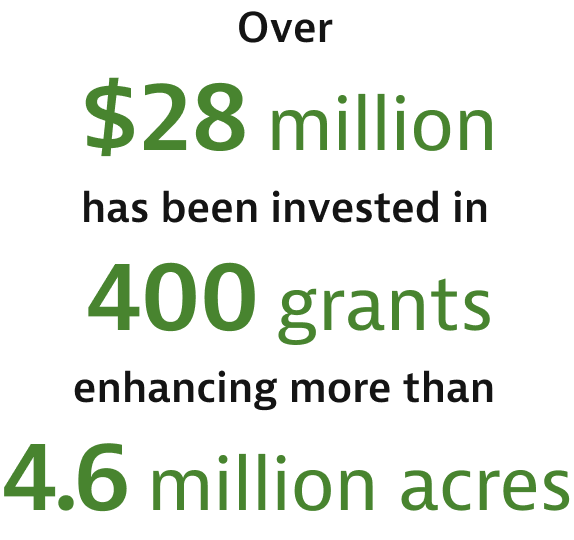
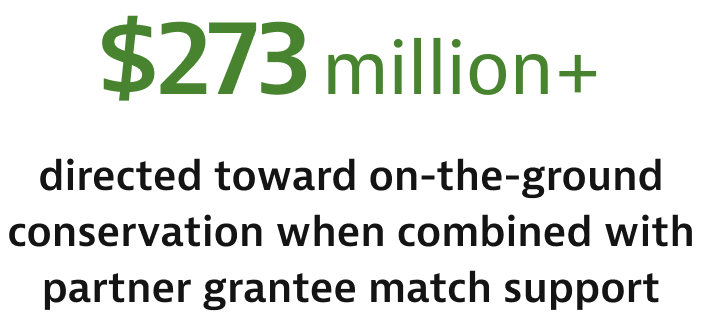
For more than two decades, Southern Company and NFWF have worked side by side to deliver measurable conservation results. What began as an initiative to restore and protect Southern bird populations has grown into a comprehensive portfolio addressing some of the region’s most critical environmental needs.
Today, this alliance drives long-term restoration of the longleaf pine ecosystem, recovery of imperiled species, and community-based stewardship of forests, rivers, coastal areas, and wetlands. By combining resources and expertise, our partnership has accelerated progress and set a national example for conservation collaboration.
To learn more about our current conservation partnership grant programs, including recent grant awards and how to apply for a grant, see below.
Longleaf Landscape Stewardship Fund
Expands, enhances and accelerates longleaf pine ecosystem restoration across its historical range. It is supported by federal funding from the U.S. Department of Defense (DOD), the U.S. Department of Agriculture’s Forest Service (USFS) and Natural Resources Conservation Service (NRCS), the U.S. Fish and Wildlife Service (FWS), and private funds from Southern Company, the American Forest Foundation and others.
The Longleaf Landscape Stewardship Fund builds on the success of the Longleaf Legacy Program, a former partnership between Southern Company and NFWF (2004-2011), which invested over $8.7 million into projects that will restore more than 87,000 acres of longleaf pine forest and the native species that rely on it.
Longleaf Stewardship Fund grants are awarded based on the following objectives:
- Restoring the longleaf pine ecosystem through collaborative and result-oriented actions that help advance the goals of the Range-Wide Conservation Plan for Longleaf Pine
- Maintaining, enhancing and expanding productive understory habitat of the longleaf pine ecosystem
- Aiding federal agencies in achieving their mission-oriented objectives
- Supporting recovery of iconic species through habitat enhancements
- Strengthening the capacity of local organizations to establish, advance or lead local longleaf pine ecosystem restoration efforts
- Expanding the number of landowners engaged in longleaf pine restoration and maintenance on private lands, and supporting working forests by demonstrating their environmental and socioeconomic benefits
Five Star and Urban Waters Restoration
Fosters grassroots stewardship of natural resources nationwide through community-based wetland, riparian and coastal habitat restoration and education. Major funding is provided by the U.S. Environmental Protection Agency (EPA), the U.S. Forest Service (USFS), the U.S. Fish and Wildlife Service (FWS), Southern Company and other corporate sponsors.
Grants are awarded based on the following objectives:
- On-the-ground restoration: Must include wetland, riparian, in-stream or coastal habitat restoration
- Environmental education: Must integrate meaningful education through community participation or integration with K-12 environmental curriculum
- Partnerships: Must involve a diverse set of community partners
- Measurable results: Must result in measurable ecological, educational and community benefits
Southern Company supports on-the-ground wetland, riparian, in-stream or coastal habitat conservation and restoration projects in key areas served by its subsidiaries. Priority is given to projects that directly benefit at-risk species and habitats; address watershed and federal recovery or state wildlife action plans and coordinate with those plan coordinators; and, engage the public – particularly youth – in hands-on, outdoor conservation experiences that build awareness of the importance of protecting and recovering priority species and habitats.
Southeast Acquatics Fund
Southeast Aquatics Fund supports watershed-based restoration projects to improve the health of aquatic systems and secure populations of native freshwater aquatic species in the southeastern United States. Initial focal geographies include watersheds within the Alabama-Mobile-Tombigbee and the Apalachicola-Chattahoochee-Flint Basins, as well as coastal watersheds along the Gulf of Mexico.
Priorities for the Southeast Aquatics Fund include implementing water quality and quantity best management practices. We do this by: providing landowner outreach and assistance, improving connectivity, restoring riparian and in-stream habitat, and supporting assessment and prioritization activities in targeted watersheds of the Southeast. This habitat-based approach benefits a diversity of species, from game species to at-risk aquatic species, helping reduce the possibility of future listings under the U.S. Endangered Species Act.
Gulf Coast Conservation Grants Program
Supports enhancing coastal habitats of the Gulf of Mexico and bolsters priority fish and wildlife populations, while strengthening resilience of the communities and ecosystems that are not expected to be addressed through Gulf Coast oil spill recovery funding. Program funding is provided by Shell Marine and Habitat Wildlife Program, Southern Company, NRCS and others.
Specific priorities focus on strengthening coastal resilience; advancing conservation and management on working lands for wildlife and water quality; and conserving living resources, particularly coastal birds.
To date, Southern Company has focused its support on coastal bird conservation.
Bats for the Future Fund
Funds innovative tools and treatments needed to slow the spread of white-nose syndrome (WNS) and speed the recovery of surviving bat populations in North America. Major funding for this program is provided by the U.S. Fish and Wildlife Service (FWS), with additional funding provided by the U.S. Forest Service (USFS) and Southern Company.
WNS is a deadly disease caused by a fungus. It attacks bats during hibernation, and it could potentially push some bat species to the brink of extinction. The disease has been found in 32 states and five Canadian provinces, destroying an estimated six million bats in the past decade. This decline in bat populations poses a major threat to the ecosystems that rely on them.
Priorities of this Fund are to develop management solutions for WNS with revolutionary tools and techniques to minimize short- and long-term impacts of the disease. Proposed treatments may involve ecological, molecular, synthetic, biochemical, mechanical, and other strategies that reduce the impacts of WNS on bats and/or demonstrate new disinfection products or procedures to minimize reservoirs of the fungal pathogen Pseudogymnoascus destructans (Pd) in hibernacula.
Atlantic Flyway Shorebird Initiative:
Southern Company has been protecting birds and their habitats since 2003. Each year, shorebirds undertake some of the longest migrations of any species on earth. Within the Atlantic Flyway, many shorebird species stop over at several critical migratory sites along the east coast of the United States, from Massachusetts to Florida. As they travel, Atlantic Flyway shorebirds are exposed to a diverse set of human-induced threats across this network of stopover locations.
The Atlantic Flyway Shorebird Initiative aims to increase populations for three shorebird species within the flyway by 15 to 20 percent over a 10-year period. The three focal species – American oystercatcher, red knot and whimbrel – represent different migratory strategies and require specific approaches to address habitat loss, predation and human disturbance. To achieve this goal, the grant program supports five strategies: (1) conserve critical habitat, (2) restore habitat, (3) reduce human disturbance, (4) improve harvest management, and (5) monitor and assess progress.
Renew Our Rivers
For over 25 years, our Renew Our Rivers program has united volunteers to clean waterways across the Southeast. Since 2000, more than 131,500 volunteers have removed over 8,351 tons of trash, making our rivers and lakes cleaner and safer.


Restoring Natural Resources
Southern Company has a long history of partnering with communities, conservation organizations, and natural resource agencies to help threatened and vulnerable species, restore forests and clean waterways. In 2006, Southern Company and its subsidiaries became the Southern region lead corporate sponsor for the Five Star and Urban Waters Restoration Program and have expanded to support communities and have expanded to support communities across the United States.
Restoration efforts include a variety of activities, including debris removal; enhancing stream buffers; providing outdoor classrooms and ecotourism through park, riverfront, wetland and coastal area enhancements; and engaging citizens in on-the-ground restoration.
The Five Star and Urban Waters Restoration grant program supports community-based wetland, riparian and coastal habitat restoration nationwide and includes the National Fish and Wildlife Foundation, U.S. Environmental Protection Agency, U.S. Forest Service, U.S. Fish and Wildlife Service, Southern Company and its subsidiaries, and other corporate sponsors.
The hallmark of this nationwide program is strengthening community involvement in natural resource stewardship through education, outreach and hands-on projects by targeting wetland, riparian and coastal habitat restoration.
Partnerships include at least five participants, i.e., “Five Stars,” from local government, businesses, schools, and youth, environmental and citizen organizations.
-
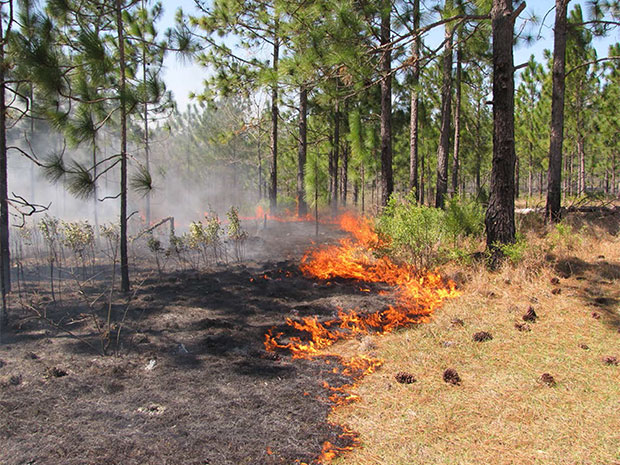
Controlled Burn for Longleaf Pine
-
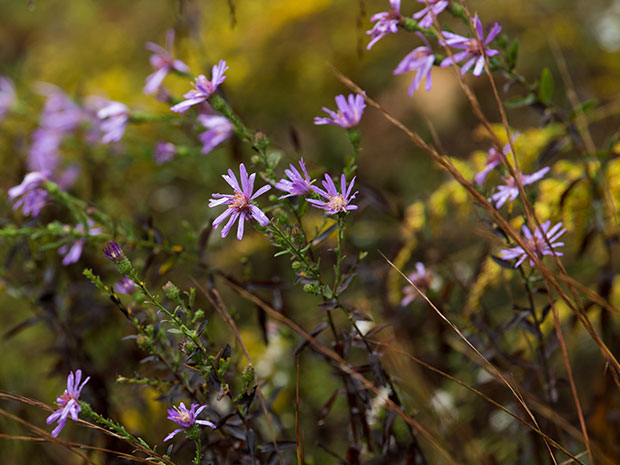
Georgia Aster
-
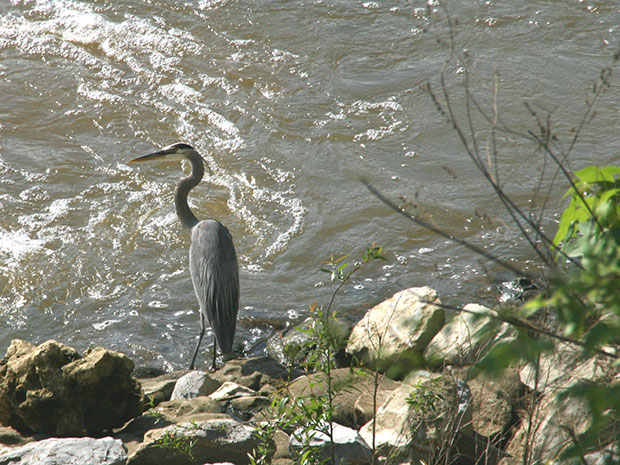
Great Blue Heron
-
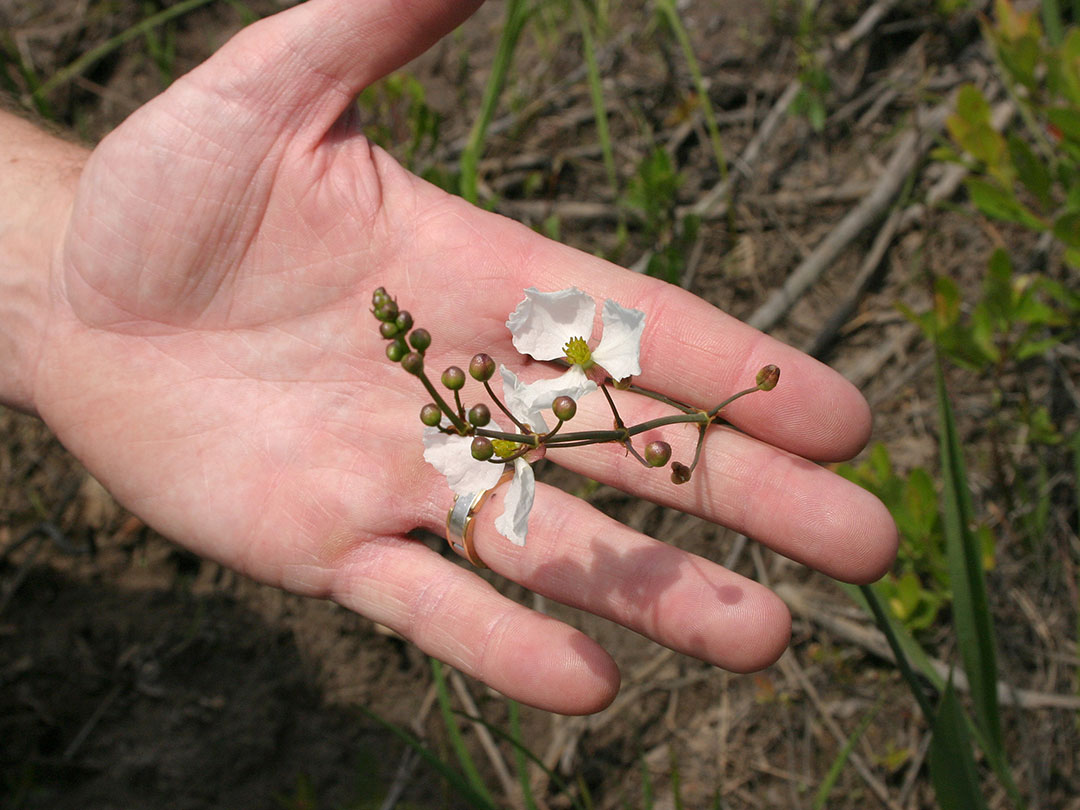
Pitcherplant
-
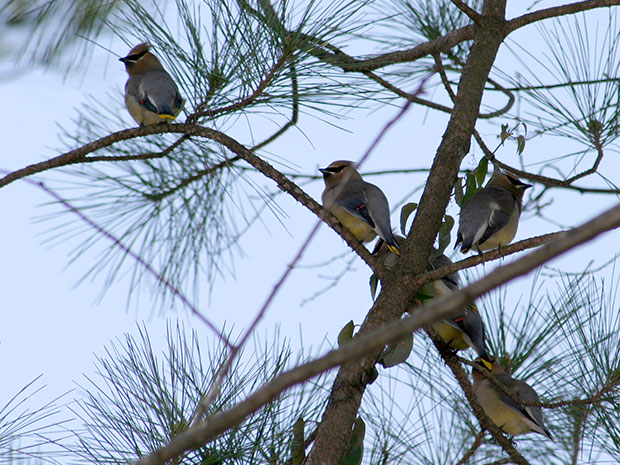
Wintering Cedar Waxwings
Recovering Species at Risk
We employ a scientific approach to conserve and recover species and their habitats through strategic, high-value collaborations.
As we look to the future, we are optimistic that our collaborative, public-private partnerships will continue to make an impact to benefit future generations. As part of our continued commitment to environmental stewardship, we are investing in projects that will focus on strategic conservation actions for at-risk species and their habitats. Together, we can find solutions that balance smart infrastructure development and natural resource conservation.
Looking Ahead
Environmental stewardship is central to our vision of a net-zero future. We will continue to innovate, collaborate, and lead in conservation efforts—because building the future of energy starts with protecting the world we share.